



 10:18 2026-02-13
This article explores the most intimate space in a home — the bed. We spend about a third of our lives there, so the importance of a place for sleep and recovery cannot be neglected. A bed is more than furniture: it is humanity's oldest ally in the struggle against the chaos of the world. Below are five key transformations: once, the bed used to serve as a passive resting place, but became an active participant in human destiny.
 747
747 5
5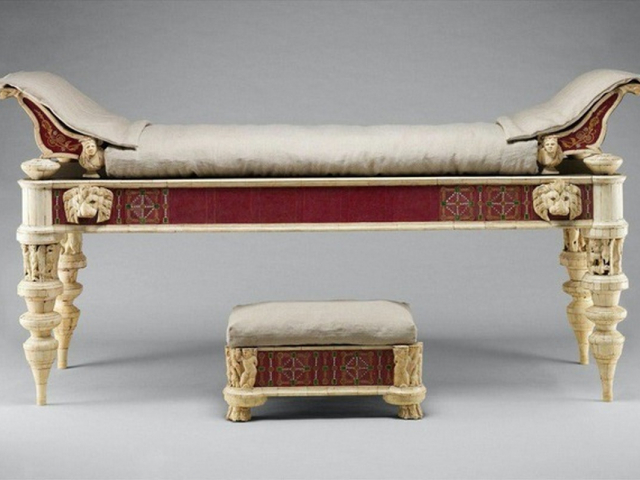

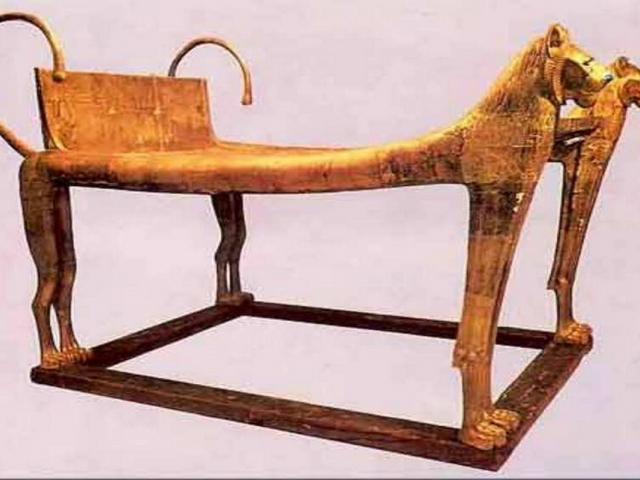
Ancient Egypt: bed elevated above danger
In Ancient Egypt, the bed also served as a barrier against scorpions and snakes on the ground. A high frame on legs raised the sleeper above such hazards, and a woven palm fiber base provided ventilation in the Nile heat. The most mysterious element was the “veres” — a solid headrest of wood or alabaster that supported the neck while allowing air to circulate. Sleep was viewed as a journey into the realm of the dead, so beds were decorated with figures of protective deities and acted as ritual shields between life and eternity.
Antiquity: kline as social stage
In Greece and Rome, the kline couch moved beyond sleep to become the center of social life. In wealthy villas, couches were arranged in a U‑shape, turning the dining room into a theatre of symposia. Men reclined on their left elbows to eat, drink watered wine, debate philosophy, and enjoy music. Reclining signaled high status — barbarians ate sitting. Tall headboards provided comfortable support, and the open foot end allowed servants easy access to serve dishes. Klinai were carved and draped in fabrics, becoming stages for displaying status and intellect.
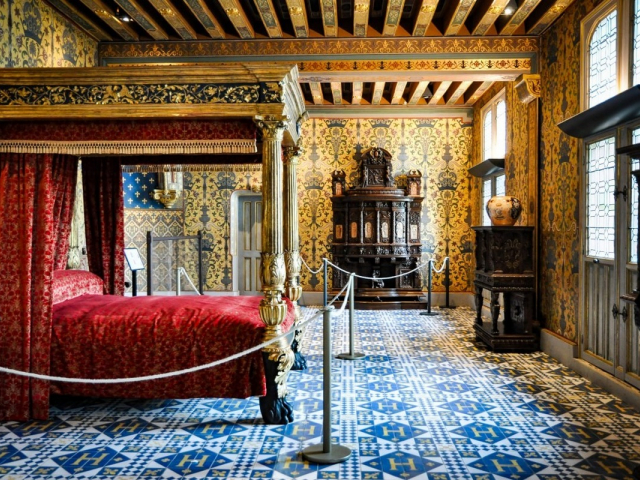
Medieval and Renaissance: room within bedroom
In harsh medieval times, the bed became a fortress inside the house. Drafty castles, stone cold, and a lack of privacy pushed rich people to create a “room within a room”: a massive wooden frame with a canopy and heavy curtains. The enclosed “box” trapped body heat in icy chambers and gave an illusion of privacy while servants slept on the floor. Beds carved with gilding and luxurious textiles were prized possessions passed by will. In the Renaissance, they became even more lavish.
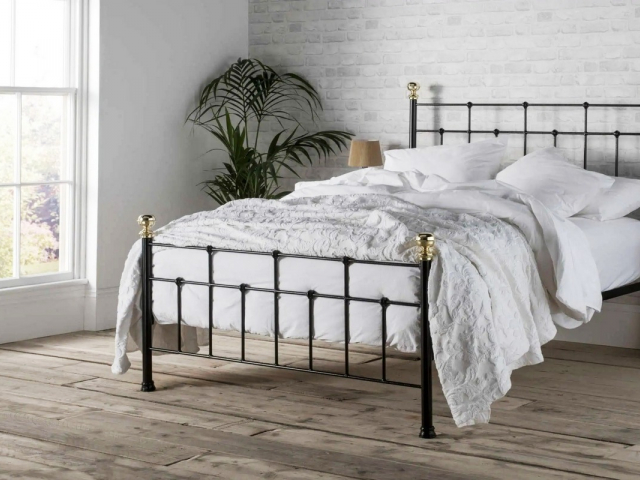
Industrial era: hygiene revolution and springs
The 19th century radically changed the bed under the influence of science and hygiene. The main enemy was no longer cold but bedbugs and unsanitary conditions. Wooden frames became breeding grounds for pests and were replaced by metal beds that could be cleaned and disinfected. The other breakthrough was the invention of the coil spring: mattresses no longer lumped and began to provide even support. Sleep became more accessible. The advent of separate bedrooms in mass housing cemented the bed’s role as a private sanctuary for daily comfort and health.
Futuristic capsules: optimizing sleep
The next step in the bed’s evolution will be its transformation into a biometric instrument. Where space is scarce, sleeping quarters will be compressed into compact “smart” capsules. A sensory cocoon with monitors could track pulse, breathing, sleep stages, and body temperature and instantly adjust mattress firmness, microclimate, and even lighting. Algorithms will optimize sleep for maximum recovery in minimum time. The bed will become a personal medical module, turning vulnerable slumber into a measurable, predictable, and highly efficient process.


-
Grand Choice
Contest by
InstaForexInstaForex always strives to help you
fulfill your biggest dreams.JOIN CONTEST -
Chancy DepositDeposit your account with $3,000 and get $1000 more!
In April we raffle $1000 within the Chancy Deposit campaign!
Get a chance to win by depositing $3,000 to a trading account. Having fulfilled this condition, you become a campaign participant.JOIN CONTEST -
Trade Wise, Win DeviceTop up your account with at least $500, sign up for the contest, and get a chance to win mobile devices.JOIN CONTEST


